
Selvanex is engaged in a number of pilot projects, both in Australia and Internationally
Our photo-bioreactor (PBR) design is ideal for deployment in tropical environments where spirulina grows quickly because of the light intensity and heat.
In addition, the Selvanex PBR was deliberately designed to be relatively inexpensive, compared to alternative available growing systems such as ponds, to make it more accessible to farmers and small business owners in developing countries. For the same reason, it should also be attractive to business partners, financiers, donors, and aid agencies looking for projects to fund or invest in, because it represents a good ROI on outlay, when one considers the cost of establishing and operating our PBRs in relation to the potential return on product sales.
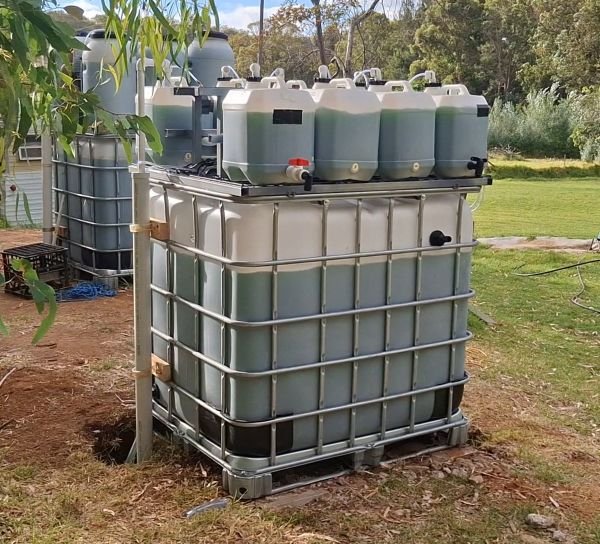
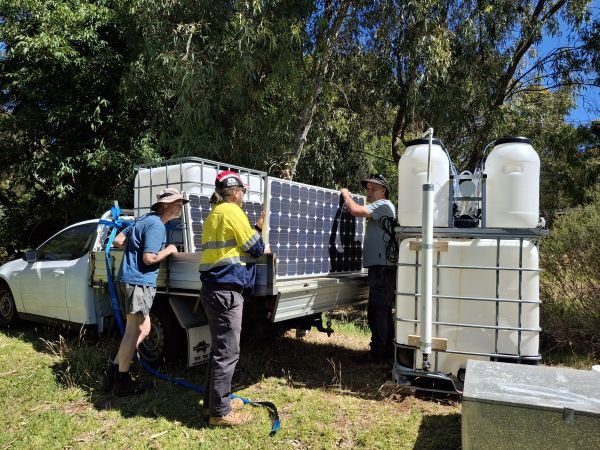
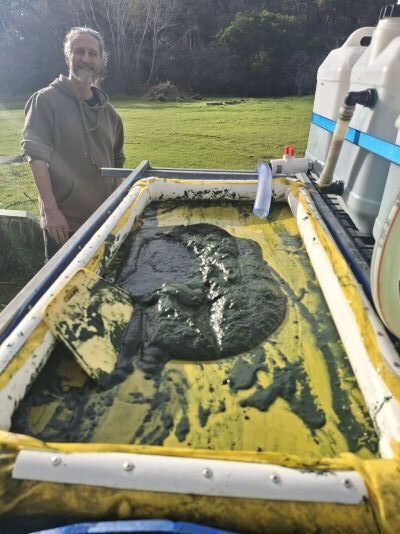
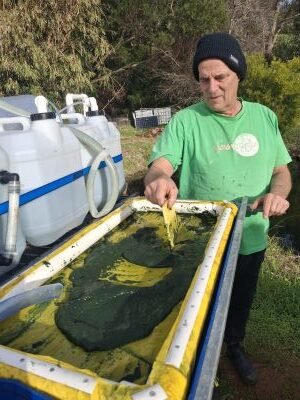
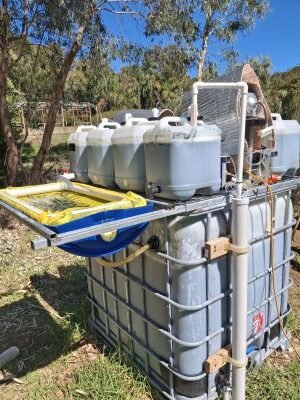
THE KEYSBROOK TEST SITE
Situated 60km south of Perth, Western Australia, Keysbrook is a rural semi-agricultural area featuring cool wet winters and hot dry summers.
The site is used to test and refine our SBR design and management protocols
BRUNEI PILOT PROJECT
Our local business partner in Brunei is BARAKAH BIOINDUSTRIES (BBIC). BBIC operates a site in Jerudong, Bandar Seri Begawan, and with Selvanex's advice and input has constructed 10 PBRs at this site. Selvanex is engaged as a consultant to BBIC under a MOU. BBIC is planning to populate the PBRs with spirulina and develop a market for its produce. The Brunei Fisheries Department has encouraged BBIC and Selvanex to consider developing a fish feed product based on spirulina which could be used by Brunei's growing farmed-fish industry.
Click on image to go to article
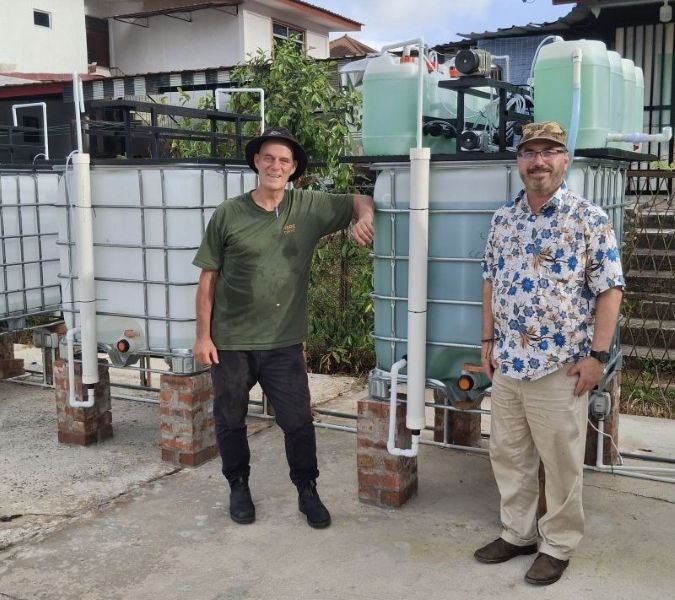
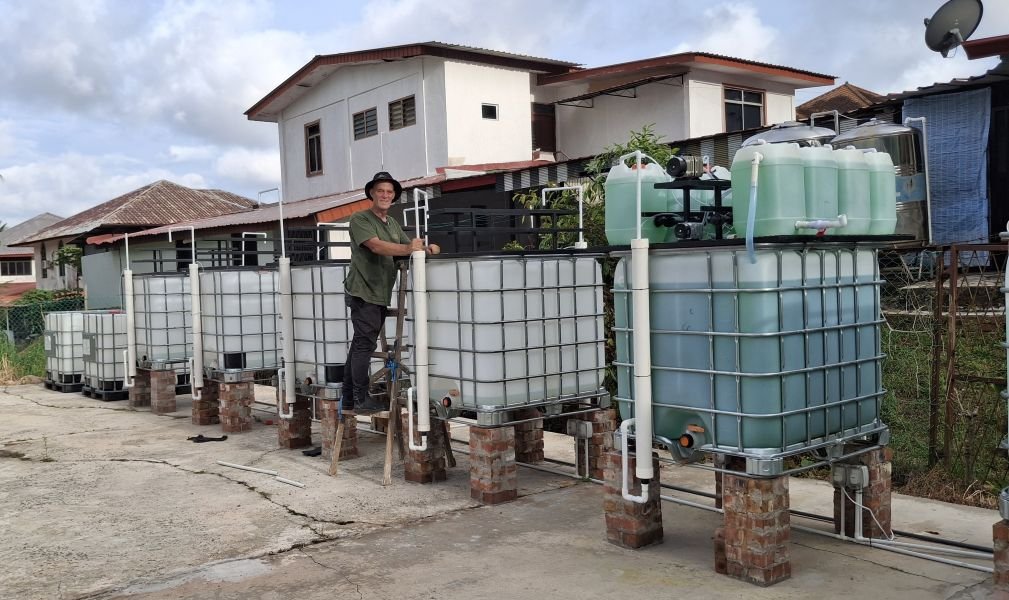
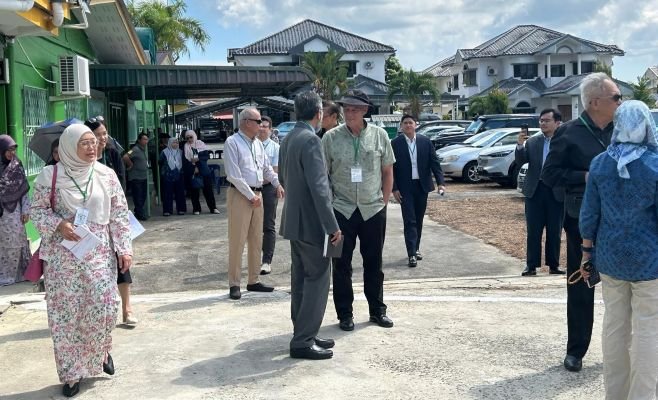
Jalan Jerudong pilot project opening event
BBIC and Selvanex have established relationships with three Brunei universities, UBD, UTB and UNISSA. UNISSA is already working on fish feed research, and UBD and UTB have expertise in areas such as food design and telemetry technology which are complimentary to the project of building spirulina farms in Brunei based on arrays of Selvanex PBRs. BBIC and Selvanex have made contact with a farmers' alliance in the Temburong district of Brunei that represents 100 farming families, and plan to expand the project into this area in future.
INDONESIA

Our local business partner in Indonesia is the NGO, RUMAH YAPEKA, through its for-profit subsidiary PT JELAJAH BUANA SEMESTA, (JBS). JBS operates two pond-based spirulina farms, in Central Java (near Yogyakarta) and North Sulawesi, has created a brand for its spirulina products ("Mermaid Brand"), and has some clients for those products, e.g. through village markets in Bali, as well as in Europe.
Acting as a consultant, Selvanex has assisted JBS to build a PBR at JBS's Yogyakarta farm site, and will advise JBS on trialling the PBR, comparing it for yield and ease of operation with its existing pond, and, if the results are favourable, converting JBS's existing ponds (of 20K and 30K litres, respectively) to PBRs. After that, we will work together to expand PBR farming to other locations across Indonesia where Yapeka currently manages projects, and then to new locations.
In parallel, Selvanex and JBS will work to build a market for the spirulina produced by these farmers, by establishing mini factories to make value-added products such as foods, drinks, cosmetics and dyes, which will increase the revenue returned to the farming communities. To underpin and connect these farm/factory hub-and-spoke networks, there will be an organisational HQ offering services such as marketing, scientific advice, exporting, logistics, product design, warehousing, and so on.
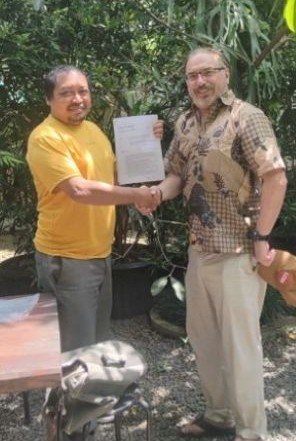
Pak Abie Dandoro of JBS and James Irving
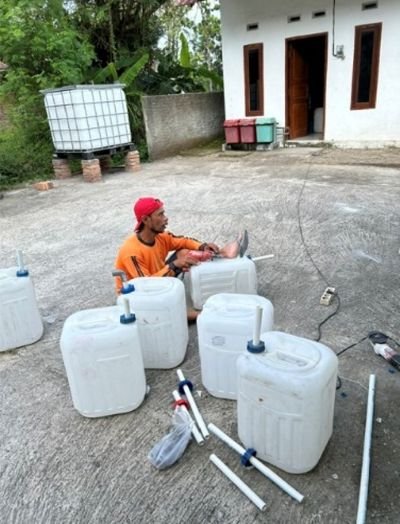
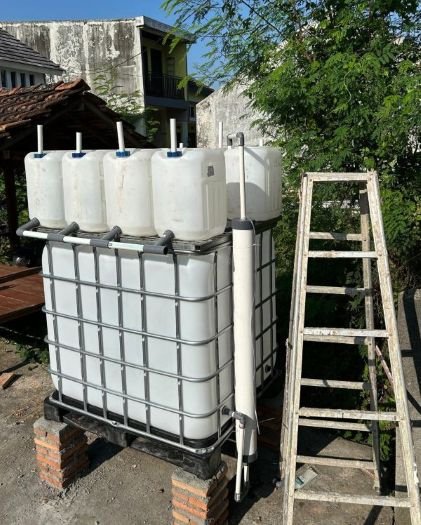
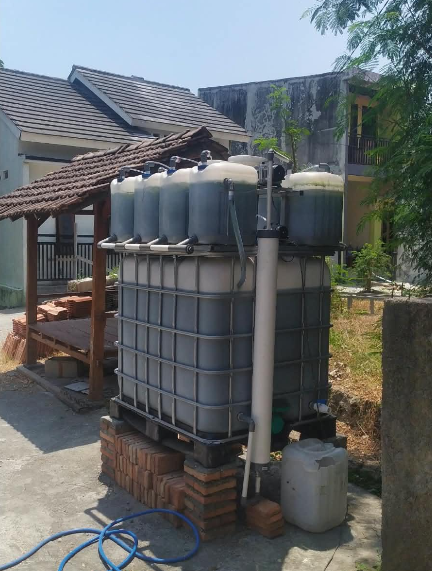
Indonesia has a number of pond-based spirulina farms, including JBS's two farms. Selvanex believes that the introduction of its PBR into the Indonesian agricultural sector could stimulate the expansion of this industry by bringing in new growers. We also see Indonesia as an ideal location to experiment with a permaculture set-up including the Selvanex PBR. JBS currently raises chickens at its Central Java farm and feeds them spirulina, which improves the quality of the eggs the chickens lay.
Selvanex and JBS will explore integrating spirulina, chickens, legumes, and the composting of chicken manure, into a permaculture system where the CO2 generated by the manure can be piped into the PBRs to stimulate spirulina growth, and, as currently, some spirulina can be fed to the chickens, and superior-quality chickens and eggs eaten by people.
In addition, Selvanex is establishing relationships with local scientists, such as Dr S Naim of Tana Lab, who has expressed interest in collaborating with Selvanex to develop a sprirulina-based product to improve soil and plant health. This product would be used initially in Indonesia, but could later become an export product.
INDIA
Our local business partner in India is PROVIDENCE HEALTH AND LIFESTYLE PVT LTD, which is based in the city of Hyderabad.
Acting as an external consultant, Selvanex will advise Providence to build and test a PBR in the Hyderabad area by the end of February 2027.
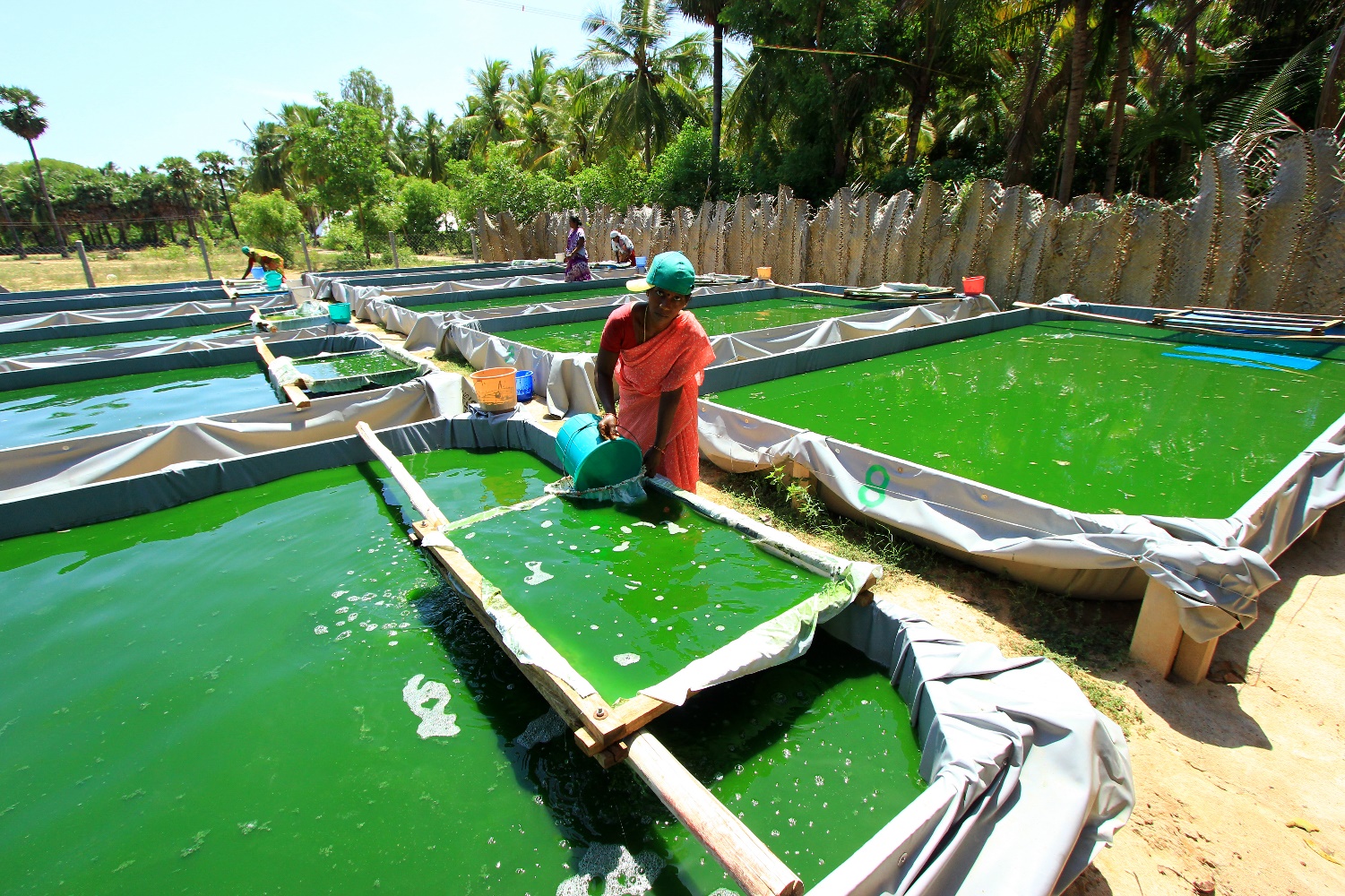
India already has an established spirulina-growing industry, and the Indian national government provides subsidies to spirulina farmers. The Selvanex PBR therefore provides an additional option for spirulina growing, more accessible to smaller farmers and businesses, in a country where that industry has already been given a green light by government policy makers.

In collaboration with our Indian business partner we intend to explore the use of arrays of Selvanex PBRs to absorb CO2 emissions generated by food-producing industries in India, i.e. emissions free of toxic elements. The CO2 would stimulate spirulina growth and instead of being a costly waste product would become a valuable resource and be converted into a valuable product.
OTHER LOCATIONS
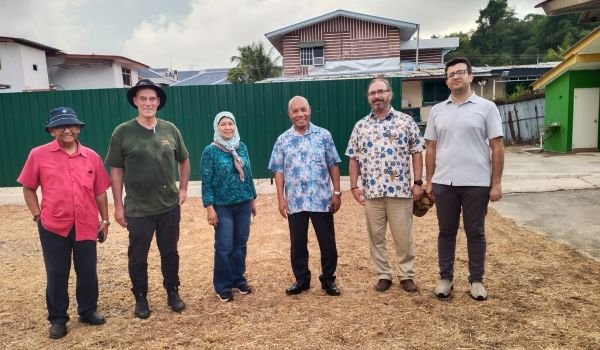
His Excellency, Senhor Abel Guterres, Ambassador to Brunei Darussalam from Timor Leste (center right), members of the BBIC management team, Tuan Malai Hassan Othman (outer left), Ibu Norhayati Abu Bakar (3rd from the left), and Selvanex team members, James Irving (2nd from the right), Ken Street (2nd from left), and Farouq Sharifpour (outer right) - at the Burnei pilot project site.
Selvanex is currently developing relationships and contacts to enable expansion of our activities to TIMOR-LESTE, SRI LANKA and MALAYSIA. These plans will mature during 2026-2027. For example, Selvanex has identified and met with potential local business partners for both SRI LANKA and MALAYSIA, and has built relationships with key persons and potential collaborators in TIMOR-LESTE after making two visits to that country in 2025.
ACKNOWLEDGEMENT
We respect the Whadjuk Noongar people as the traditional custodians of the land where Selvanex Projects is based, and acknowledge their elders, past and present. Our commitment to sustainable agriculture is inspired by their culture of living in harmony with the Earth and managing its resources responsibly.