Selvanex Projects
Sustainable spirulina farming projects designed to benefit your farm, community or agribusiness

Sustainable spirulina farming projects designed to benefit your farm, community or agribusiness
How Selvanex Projects can work with you
Ready to Farm Differently?
Spirulina isn't magic — it's just incredibly efficient farming. More protein per square meter than anything else. Grows fast. Uses minimal water. No pesticides.
We help you get it right from the start.
Custom system design for your specific land and goals. Hands-on training so your team actually knows what they're doing. Technical support that answers the phone when you call. And when you're producing, we help you find your market.
Whether you're a subsistence farmer adding nutrition for your family, a community leader launching a village project, or an agribusiness diversifying — we have the bioreactors, the know-how, and the patience to see it through with you.
You bring the commitment. We bring the expertise.
Let's grow.
We can assist with the following activities:
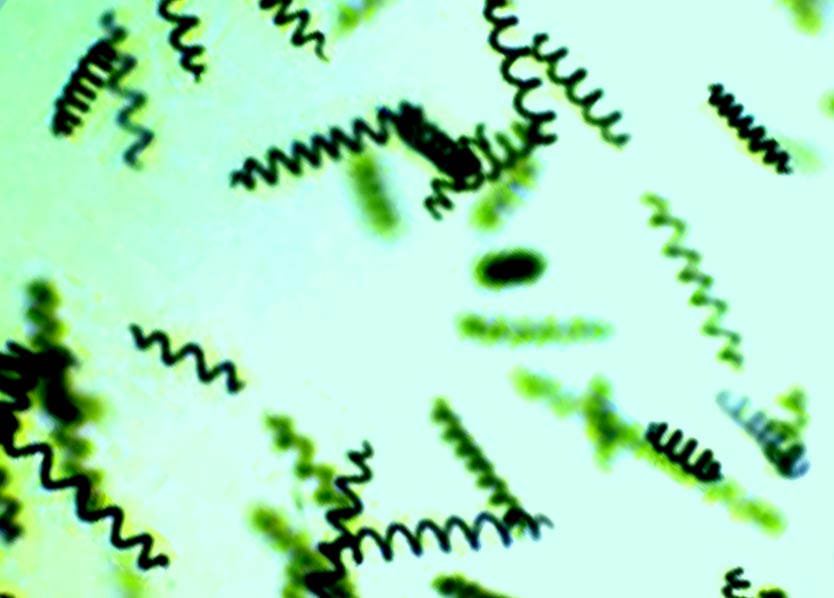
What is Spirulina?
In nature, Spirulina grows in mineral-rich lakes that are often found near volcanoes or places with thermal activity. The largest Spirulina lakes include Lake Texcoco in Mexico, lakes along the Great Rift Valley in East-Africa; and Lake Chad in Central Africa.
Why Spirulina?
Spirulina is the world's most nutritious food
"The Most Complete, Balanced & Nutritious Food on earth"
World Health Organization

"Major source of food and nutrition for long term space missions"
NASA

"The Future of Nutrition "
United States Department of Agriculture
"The Most Ideal Food for Humankind"
United Nations World Food Program
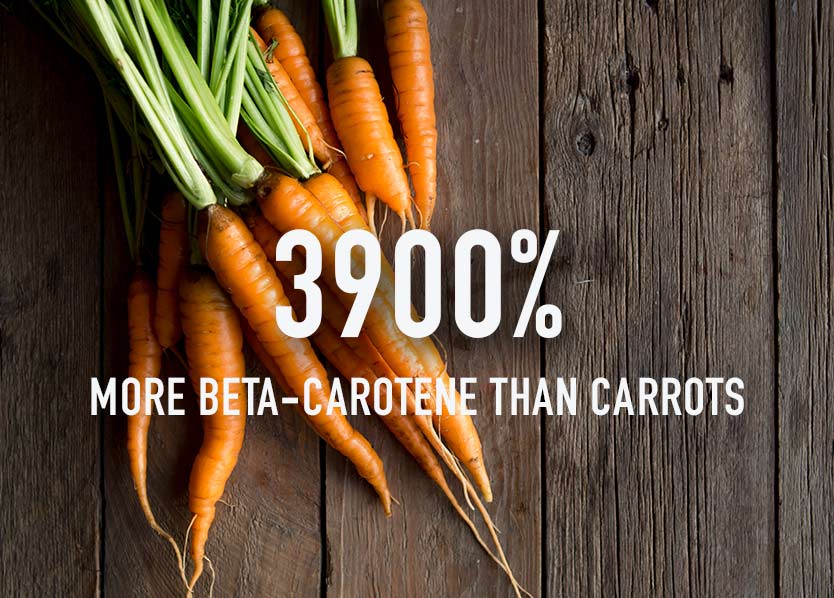
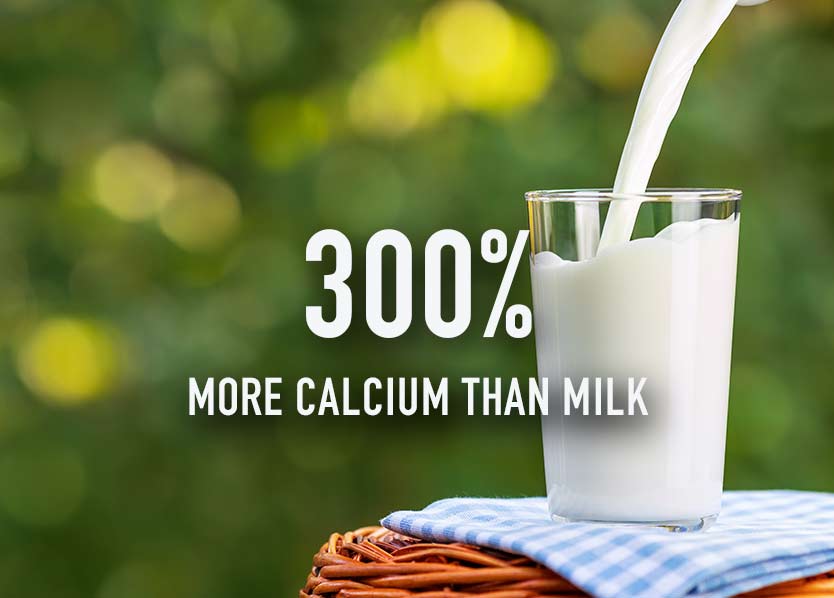
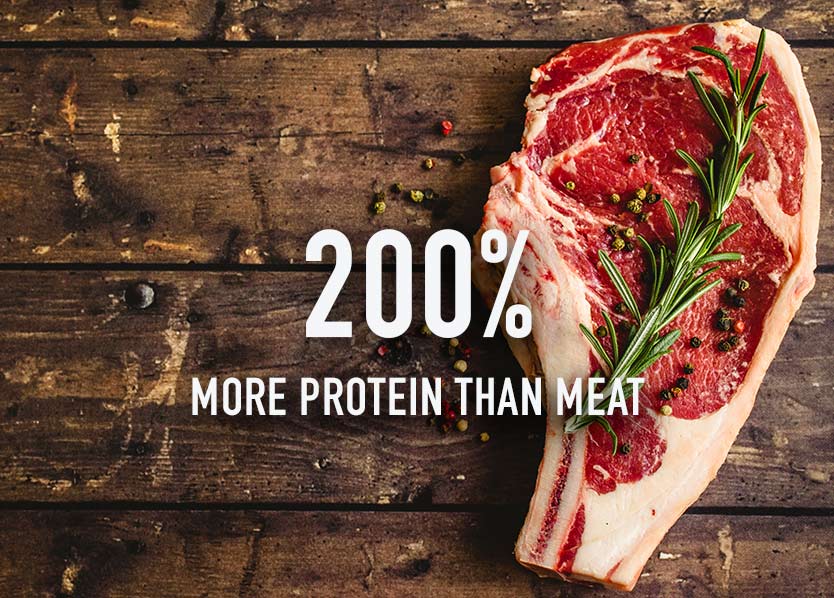
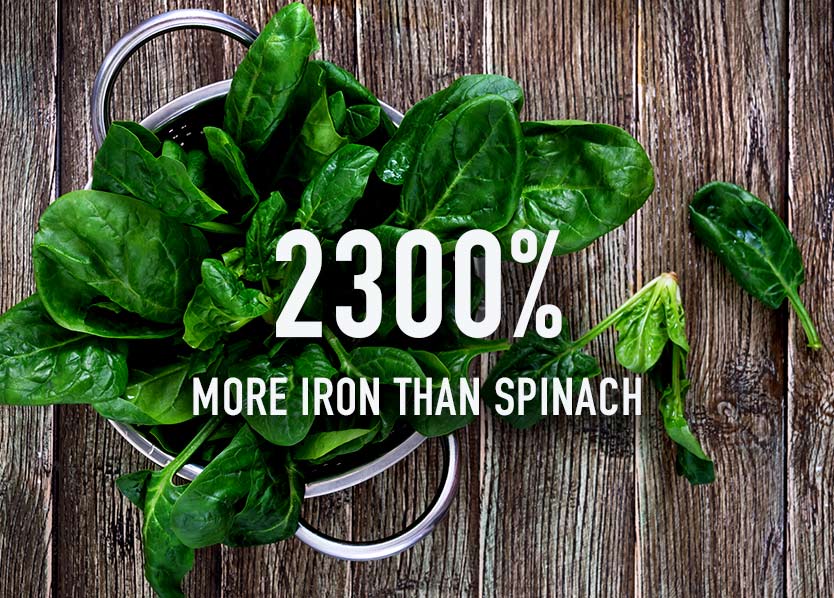
Just 1 teaspoon of Spirulina powder is equivalent to 6 servings of vegetables in terms of nutrition

The impressive nutritional and medicinal properties of spirulina are well documented. There are over a thousand peer reviewed scientific articles that report numerous medicinal properties of spirulina, some of which are listed below:
Spirulina farming
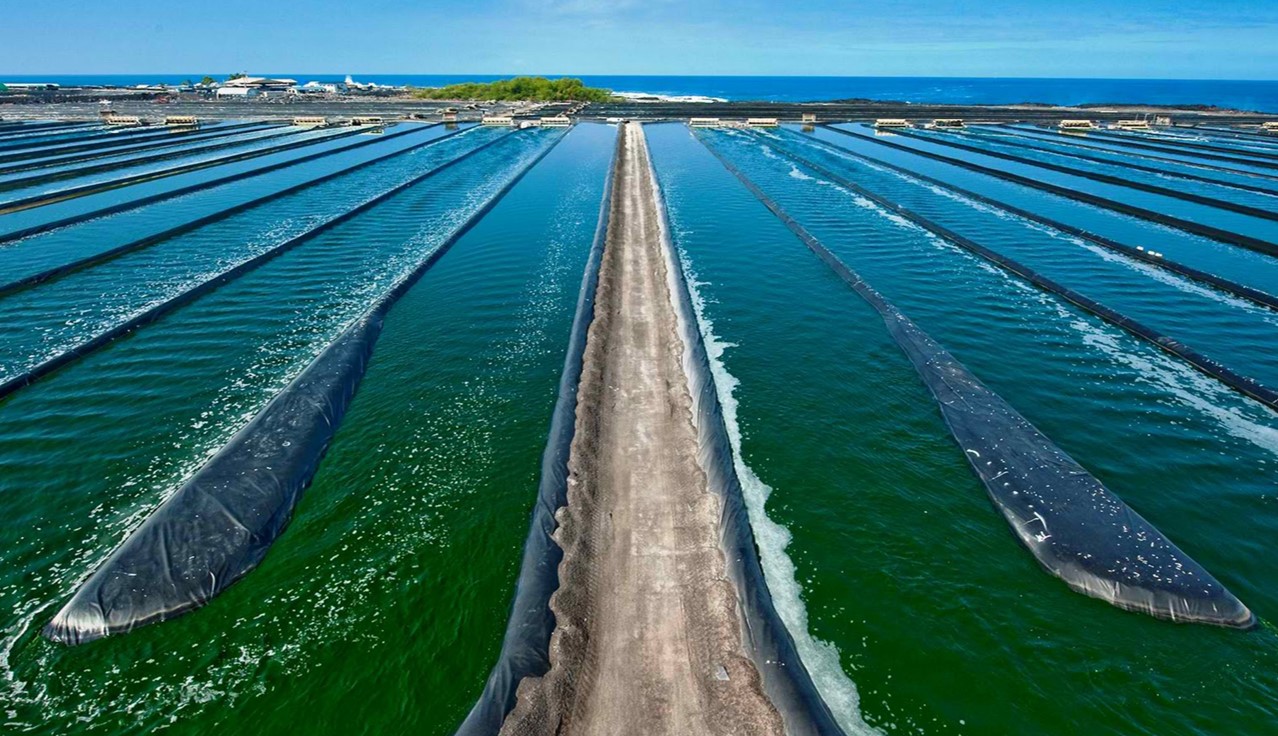
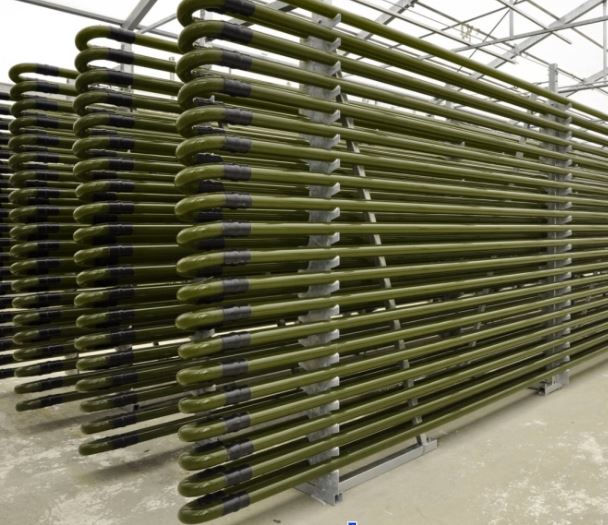
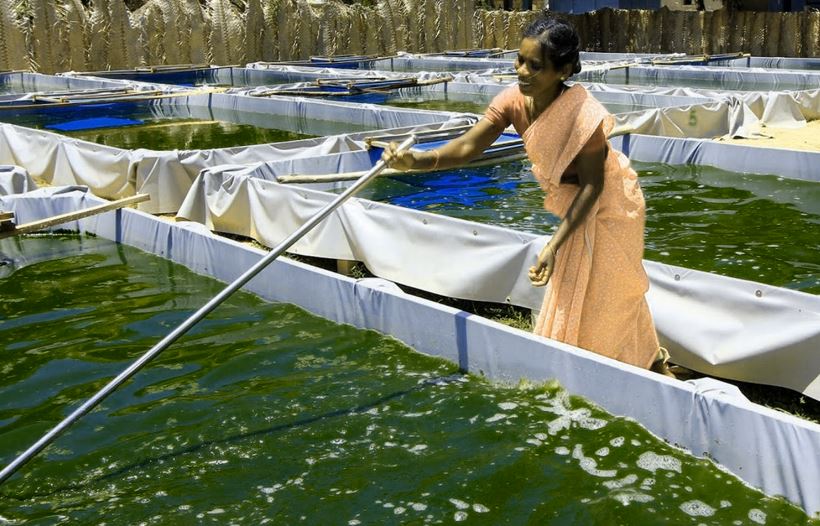
Spirulina is cultivated in a nutrient rich aqueous media. It can be farmed on a large or small scale and employ high- or low-tech systems, ranging from one IBC servicing a family, to a mini-farm servicing a community or village, to a large-scale commercial operation producing spirulina for sale to wholesalers. A productive spirulina production system can be designed to fit the resources and technologies available. Find out more here.
Estimated resources required to produce 1kg of protein from different sources
SPIRULINA | SOYBEAN | BEEF | |
|---|---|---|---|
FOSSIL FUEL (L) | 0.3 | 1.8 | 6 |
LAND (m2) | 0.2 | 2.5 | 20 |
WATER (L) | 45 | 360 | 1600 |
PESTICIDE (L) | 0 | 9 | 95 |
Traditional agriculture - versus Spirulina farming
Spirulina production is climate change proof
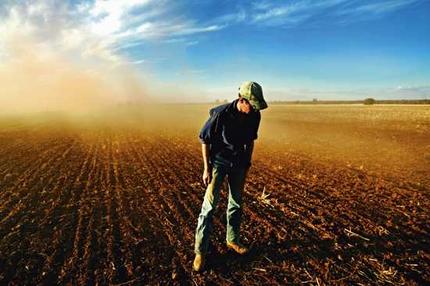
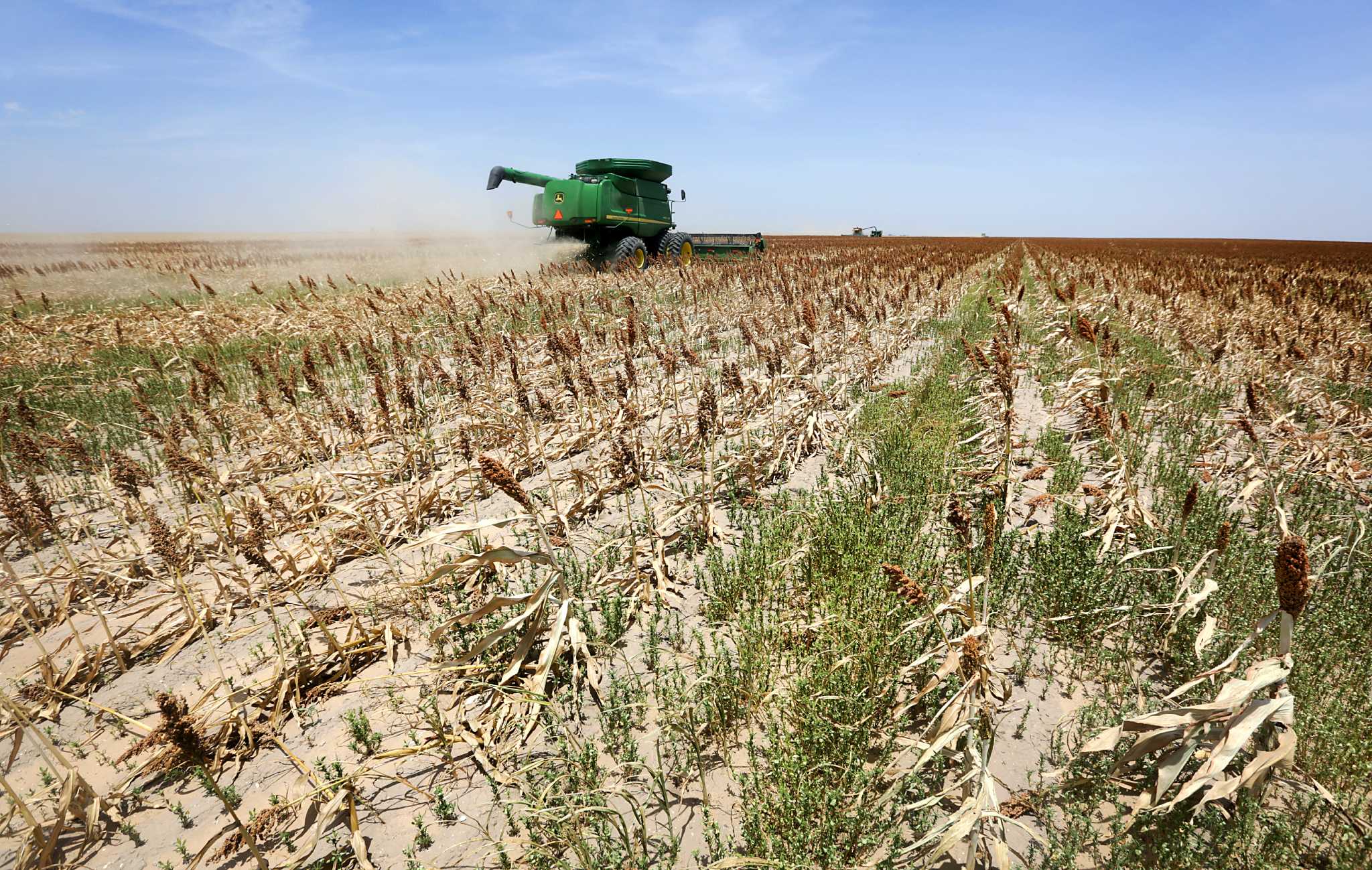

Traditional agriculture is increasingly challenged by extreme weather events as global warming intensifies. Because Spirulina is grown in closed systems and does not have the same vulnerabilities as crop and animal production systems, and because it thrives at higher temperatures compared to traditional food plants, it is virtually climate change proof. For example, drought, unseasonal rainfall or high temperatures will not cause a catastrophic loss of the culture.
Spirulina farming can be a lower carbon emitter
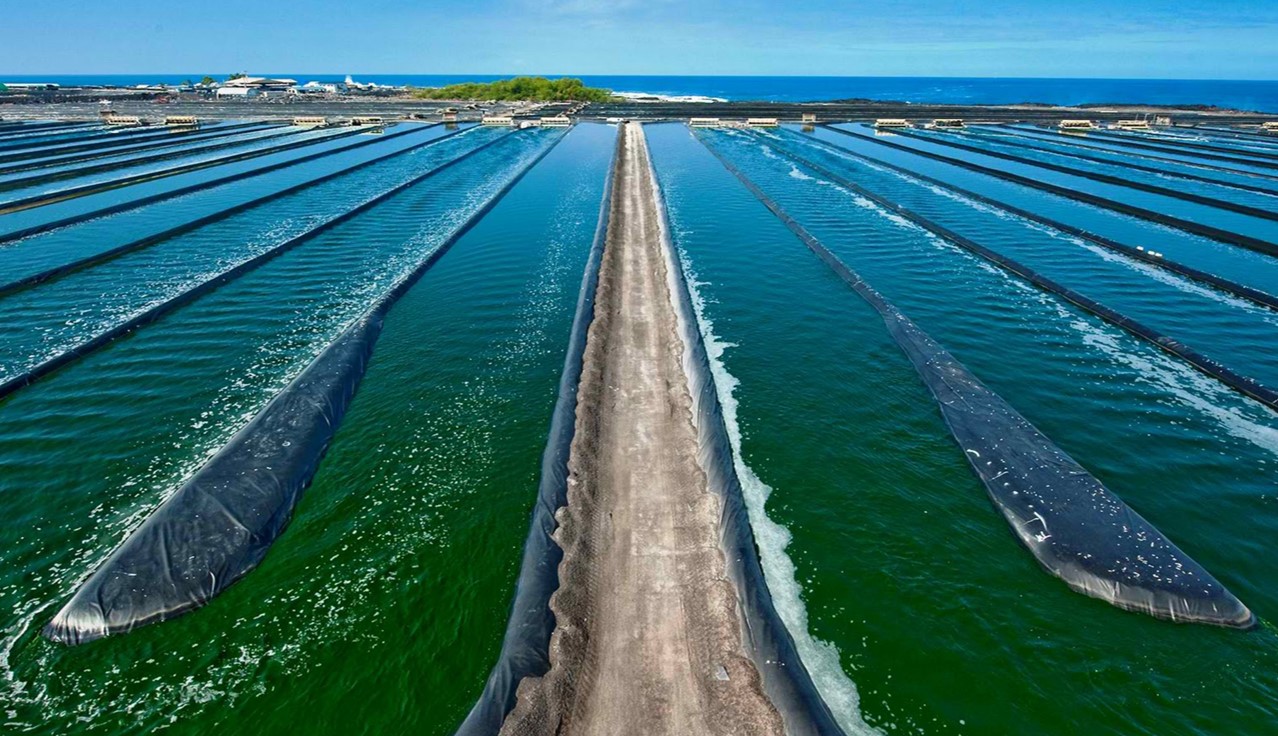
0 Kg GHGE /kg of protein
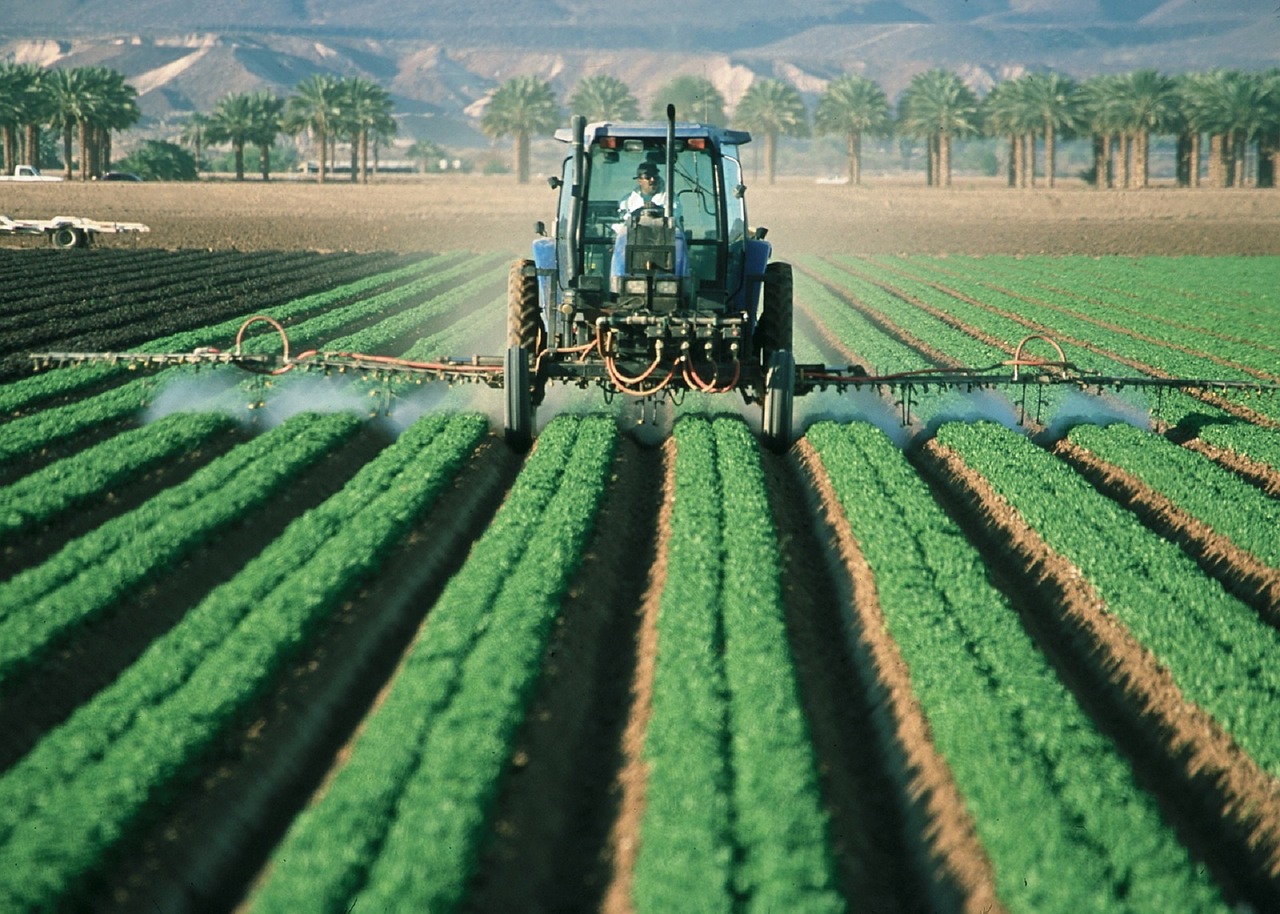
8.4 Kg GHGE /kg of protein
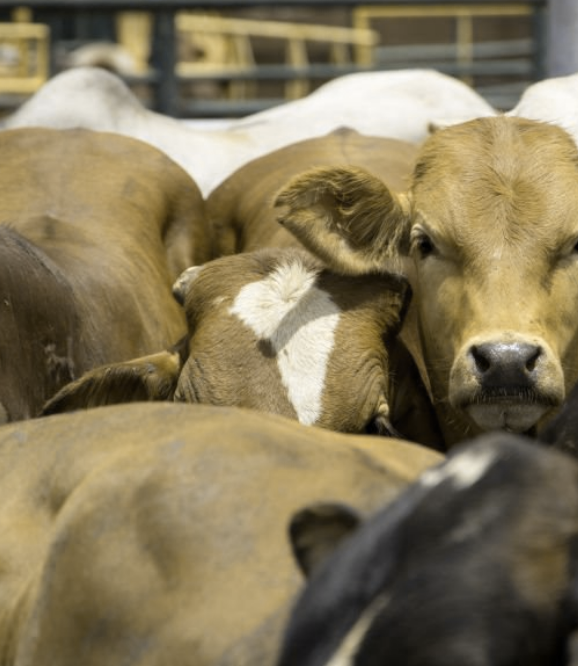
490 Kg GHGE / kg of protein
Spirulina farming leaves a smaller environmental footprint
The Commercial Market for Spirulina
Spirulina market by application

Health food industry
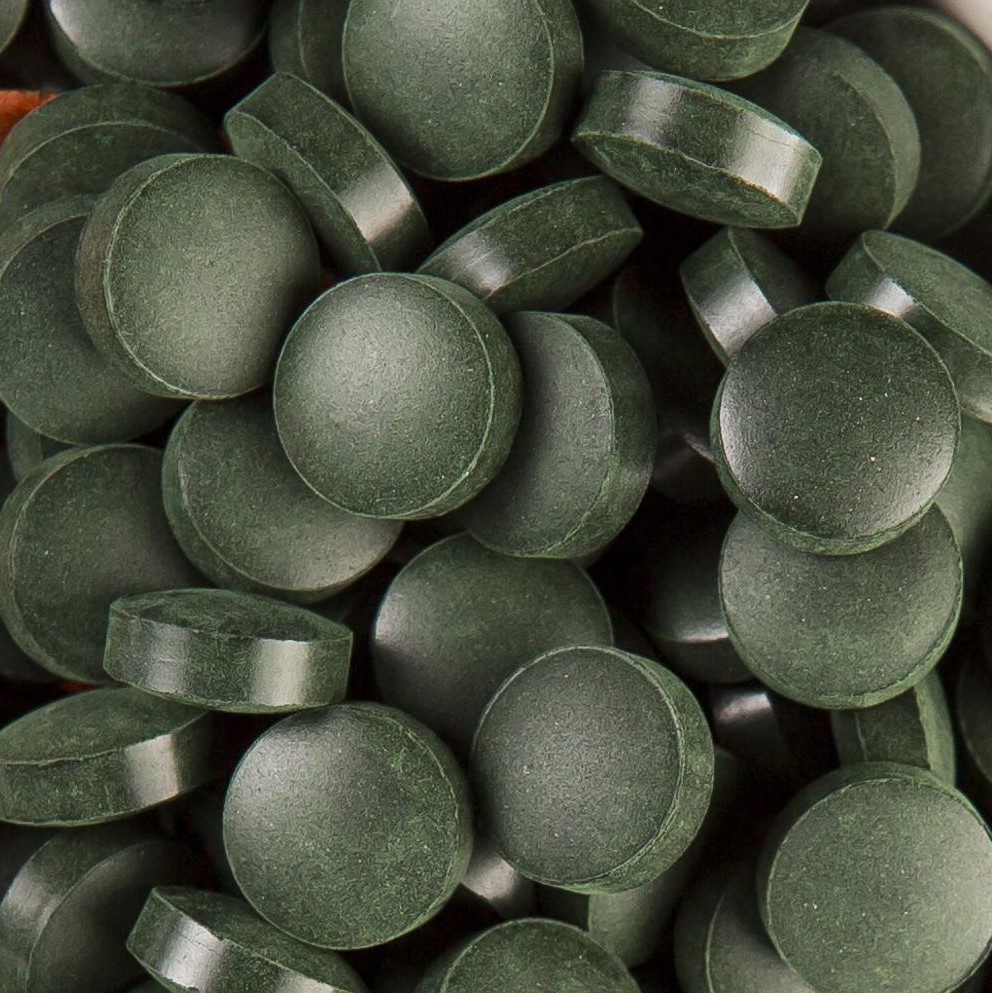
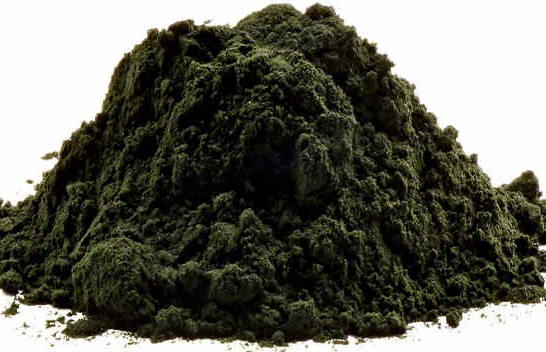
Marketed as a superfood in various formats - powder, tablets, fresh frozen.
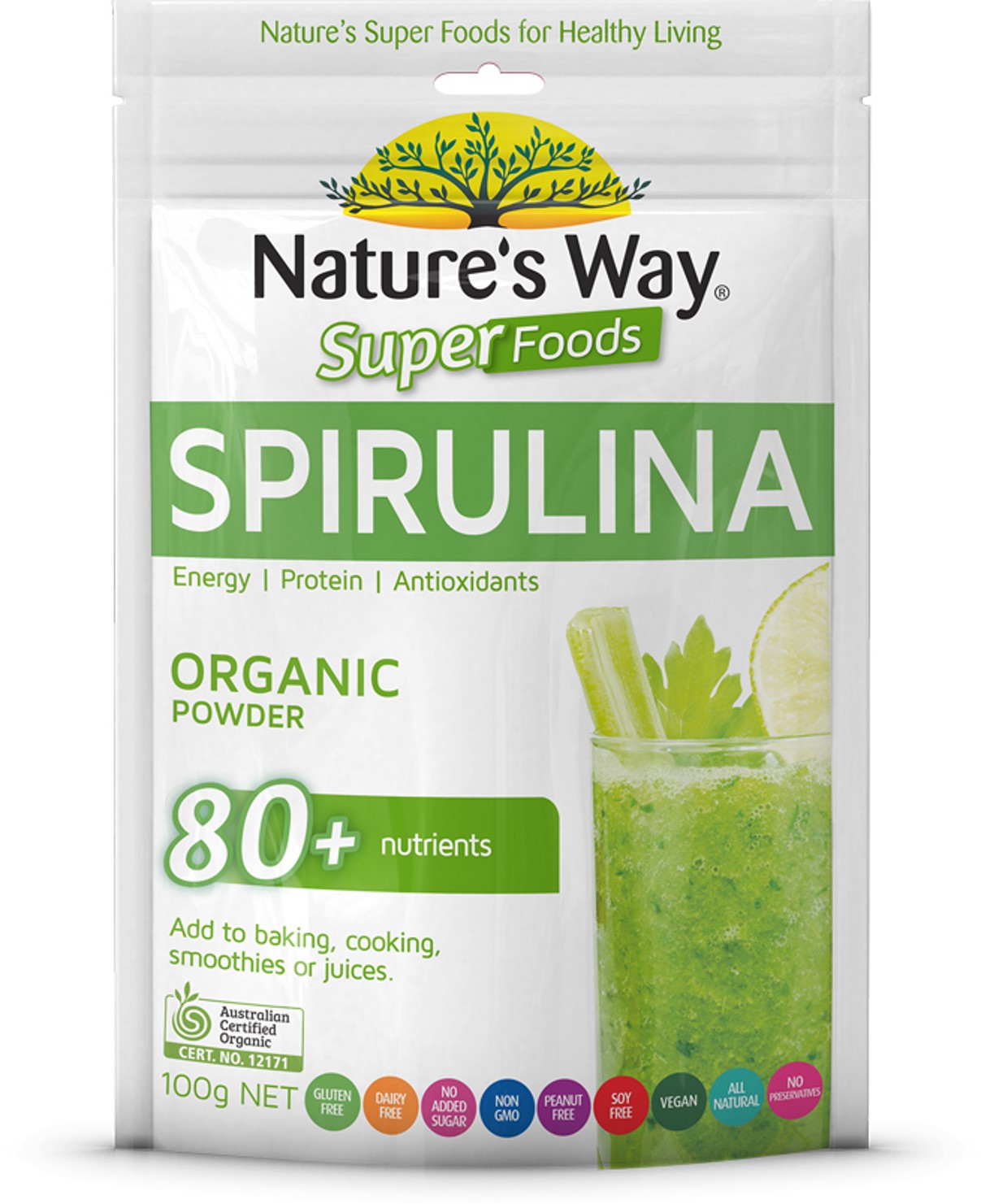
Functional foods
Spirulina is incorporated into various food products like protein bars, energy drinks, and nutritional supplements.

Cosmetics
Spirulina's antioxidant properties and potential anti-aging benefits make it a desirable ingredient in skincare products.
Nutraceuticals
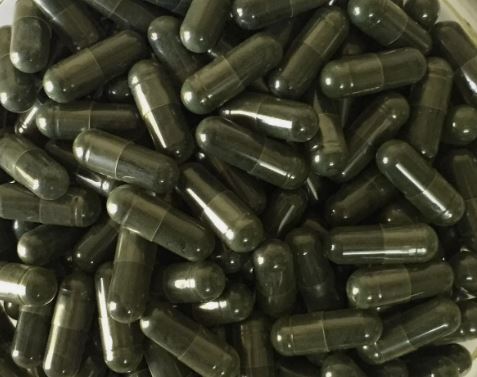
Spirulina can be used as a raw material for the production of nutraceuticals and dietary supplements

Food color and dye
Phycocyanin, the vibrant blue pigment isolated from spirulina is used as a natural colorant in a variety of products
https://unsplash.com/@s1awek
Animal and fish food
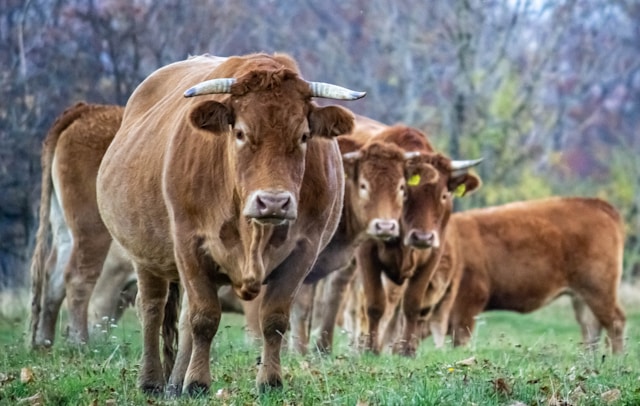
Spirulina can be added to animal and fish feed to enhance the nutrient and protein content.
Spirulina market by product type
Powder
Capsules
Tablets
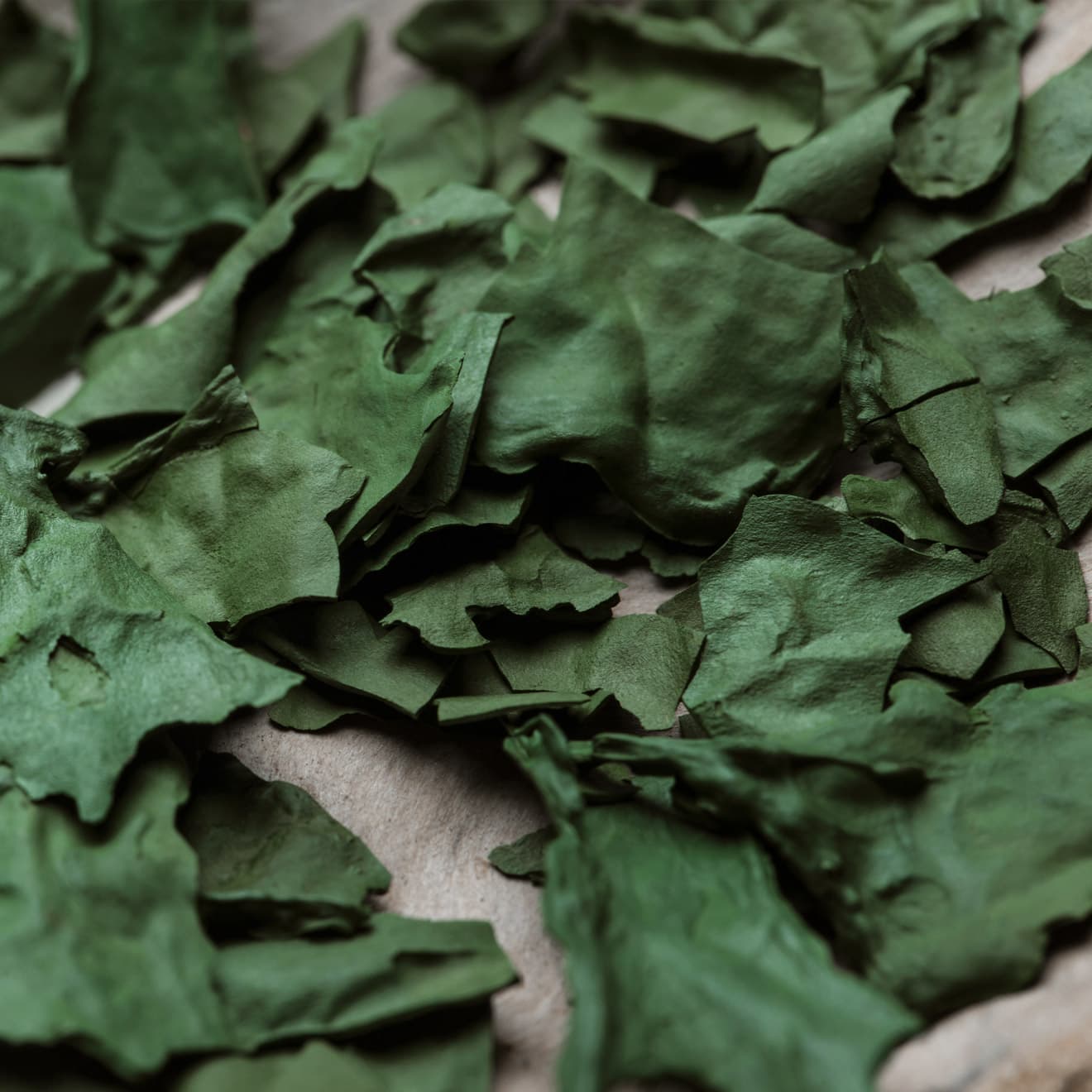
Sundried flakes
Phycocyananin
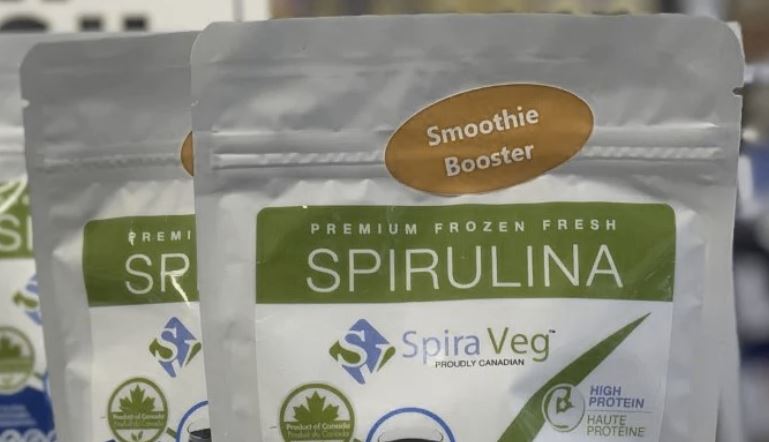
https://spiraveg.com/collections/frozen-spirulina
Fresh frozen
Spirulina market outlook 2024 - 2035
Strong and growing demand
The Spirulina market is expected to rise from US$ 450 million to $1.1 billion by 2030, at a CAGR of 9.4%.
The demand for spirulina has been surging in recent years, driven by a growing awareness of its nutritional benefits and its potential applications in various industries. Its high protein content, rich source of vitamins and minerals, and antioxidant properties have made it a popular choice for health-conscious consumers.
Additionally, spirulina's versatility has led to its incorporation into a wide range of products, including dietary supplements, food and beverages, cosmetics, and pharmaceuticals.
As consumers continue to prioritize natural and sustainable ingredients, the demand for spirulina is expected to remain strong in the years to come.
In terms of volume the market is expected to reach around 103,000 tons by 2030 with a CAGR of 8
Key Drivers
Spirulina can generate carbon credits
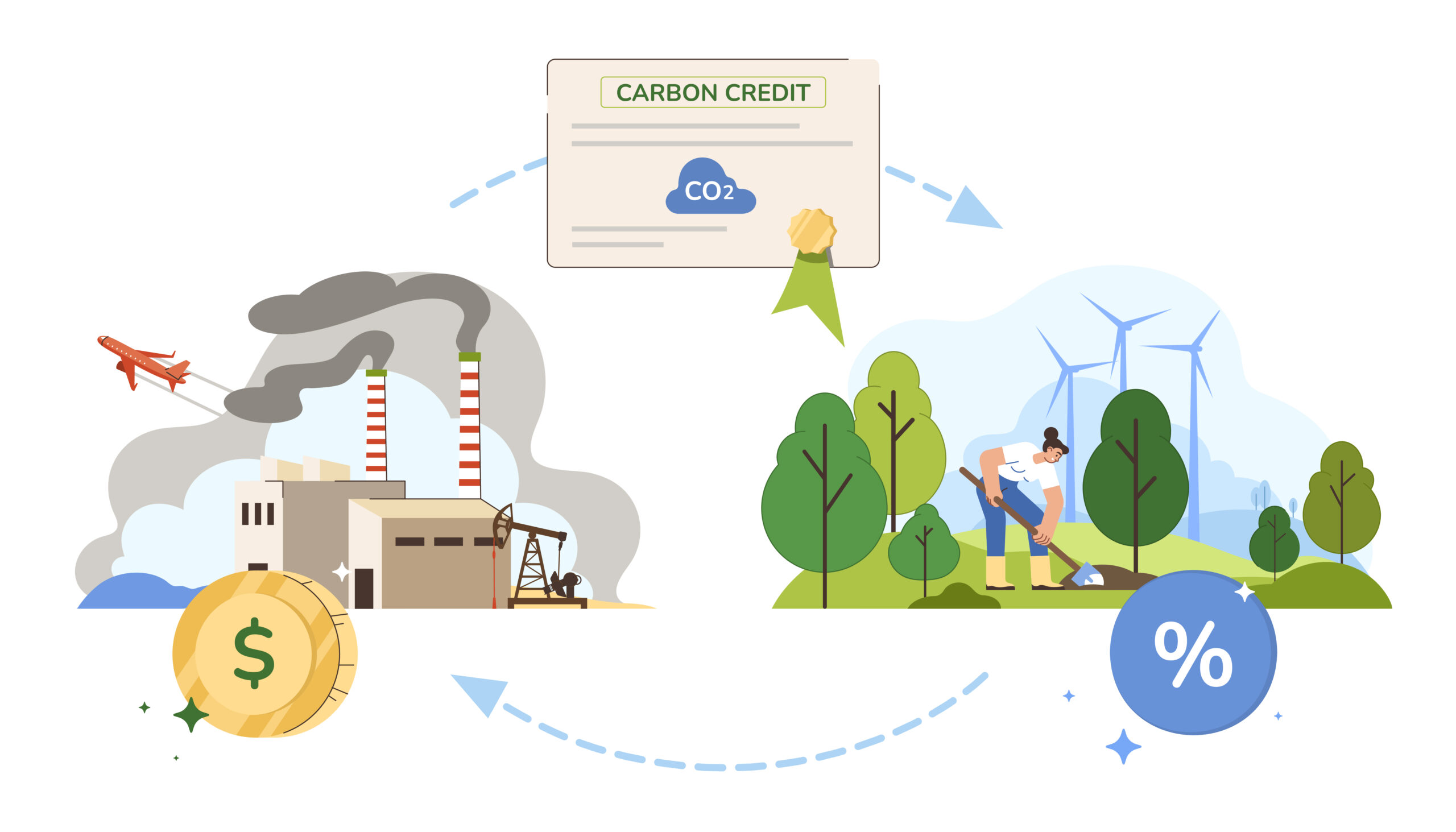
Image by redgreystock on Freepic
Depending on the production system used, Spirulina cultivation can be a lower a greenhouse gas emitter than other types of farming. Thus, when Spirulina protein replaces protein from sources that leave a heavy carbon footprint, a carbon credit can be realized. For this reason, Spirulina farm development can attract investment from the carbon credit trading industry.
Curious? Reach out to us
ACKNOWLEDGEMENT
We respect the Whadjuk Noongar people as the traditional custodians of the land where Selvanex Projects is based, and acknowledge their elders, past and present. Our commitment to sustainable agriculture is inspired by their culture of living in harmony with the Earth and managing its resources responsibly.